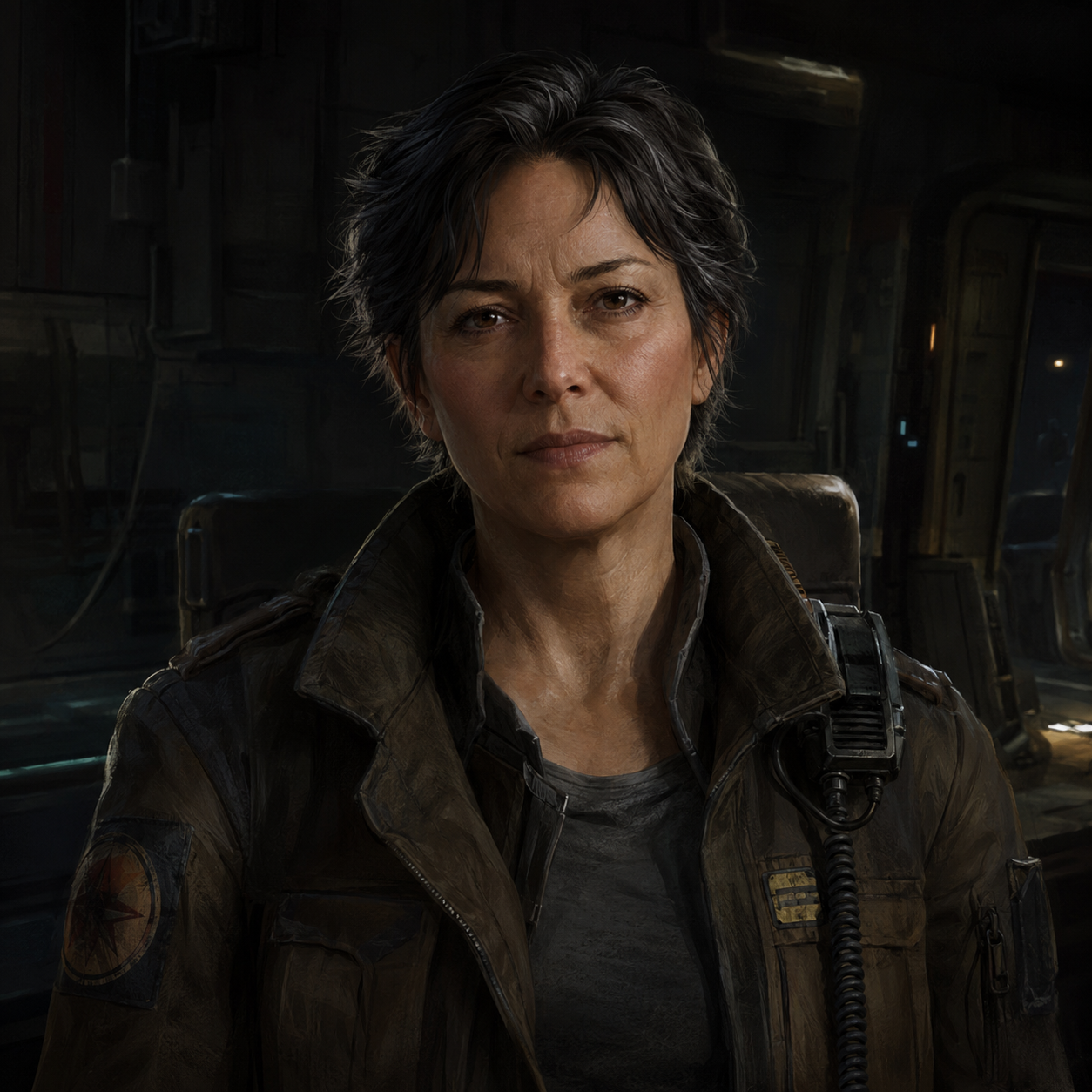
Mel Haviland
Outland Runner



A cinematic sci-fi adventure across fractured worlds, forbidden archives, unstable Lumen, and the impossible shadow behind every vanished signal.
A 2D top-down persistent space RPG about fuel, factions, trade, politics, and war.
The outer worlds have stopped answering. Crews vanish without wreckage. The old factions argue while runners, soldiers, readers and survivors follow the only signal left: the one pointing into the Null.
Explore the mystery
Outland Runner
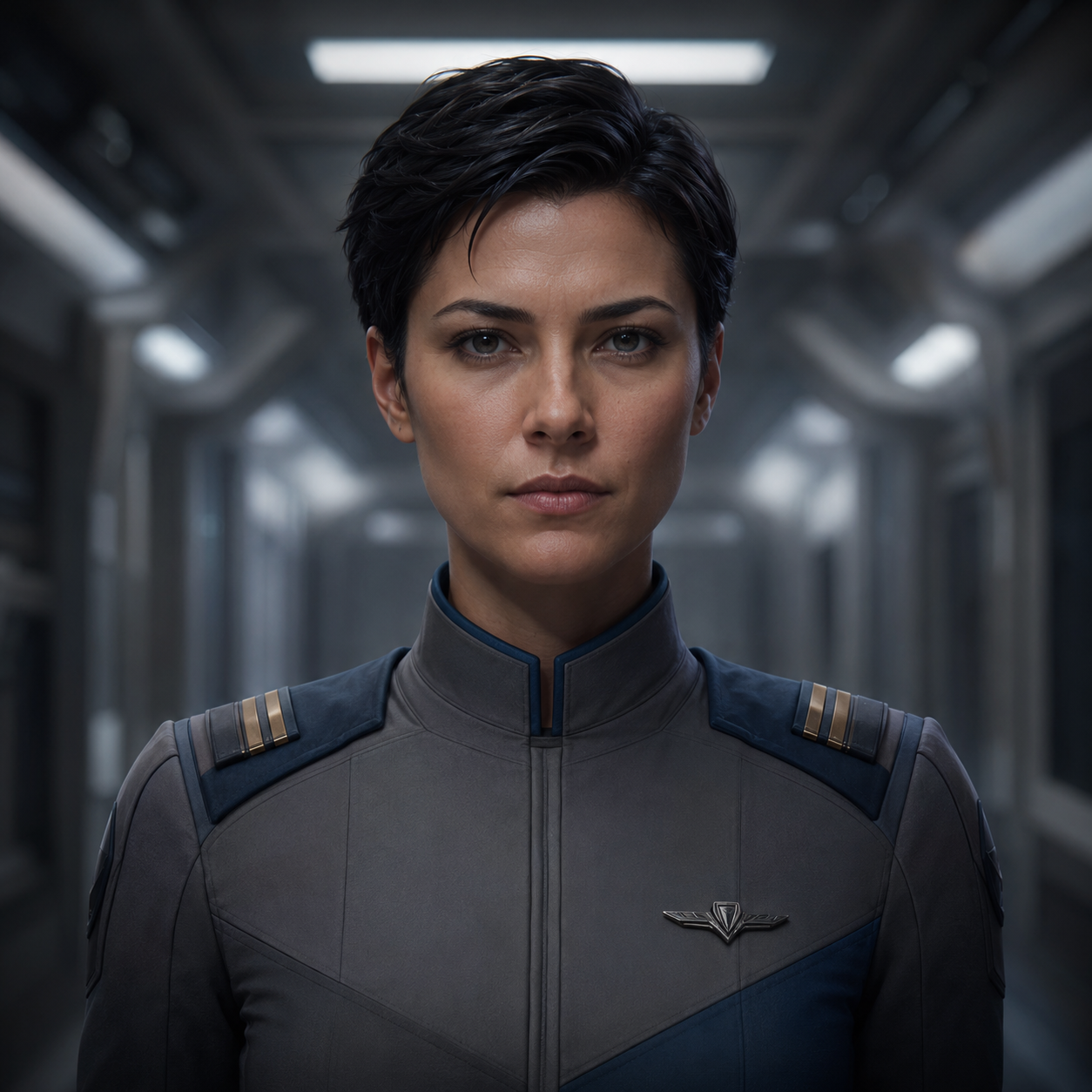
UOS Admiralty
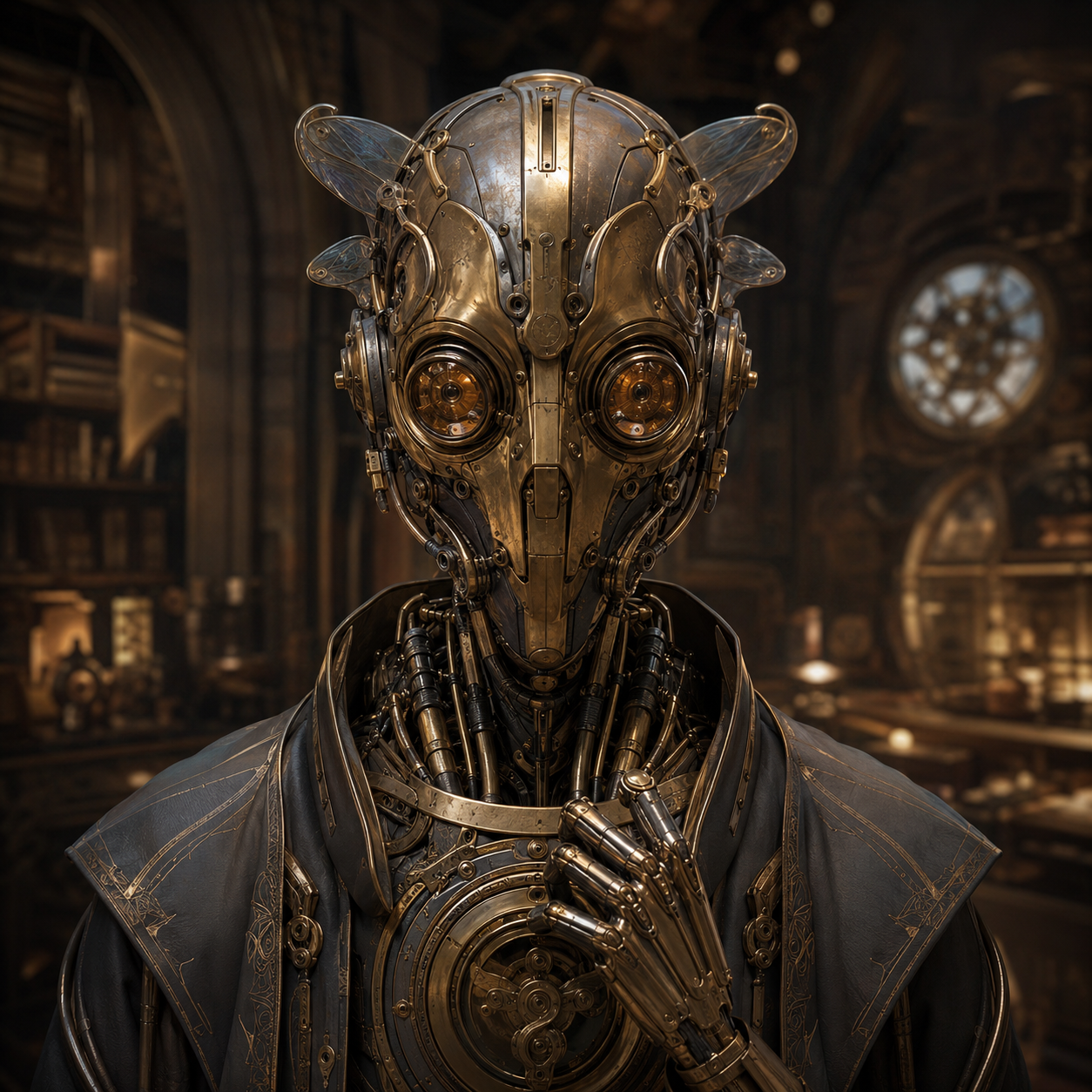
Cogentum Revisionist
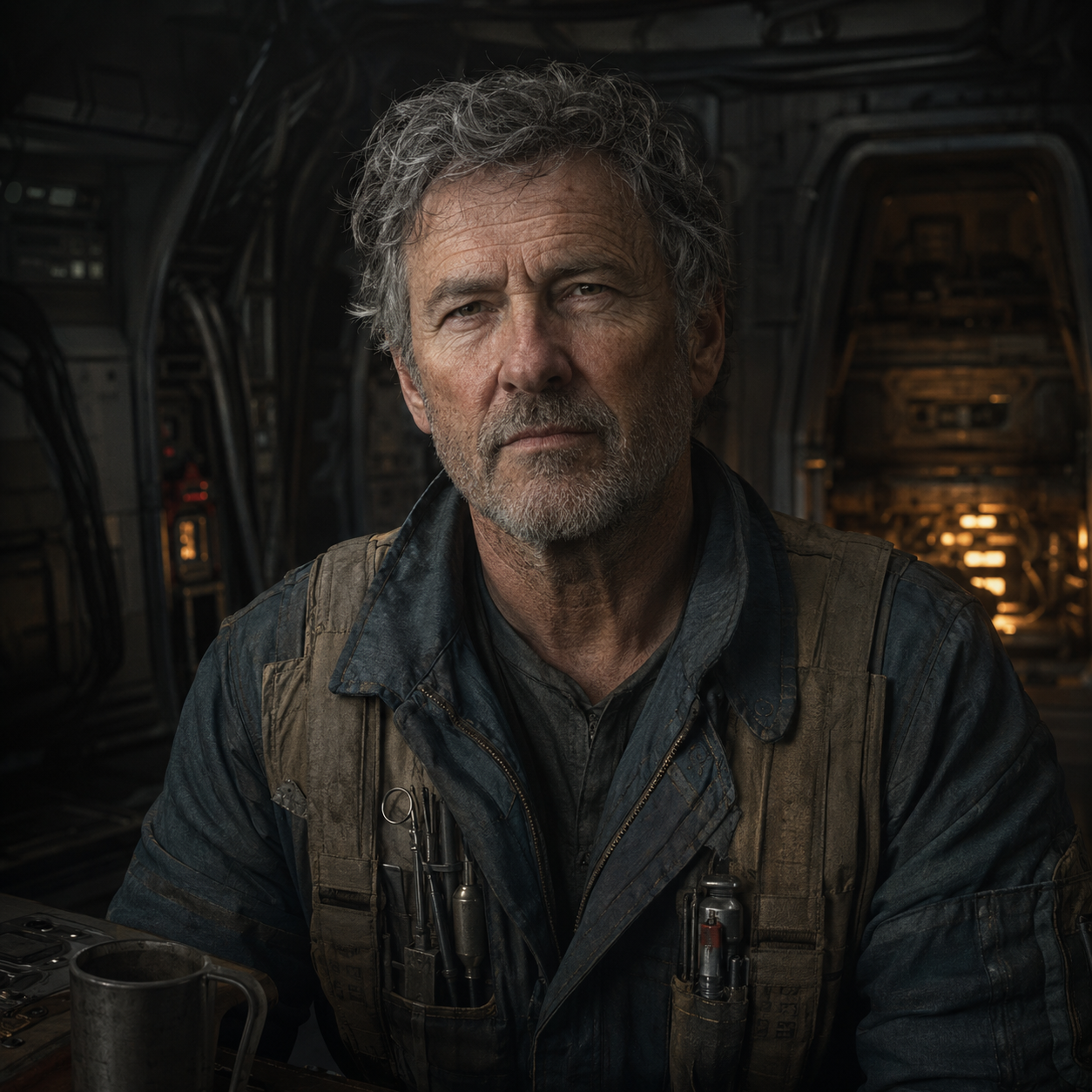
Chief Engineer
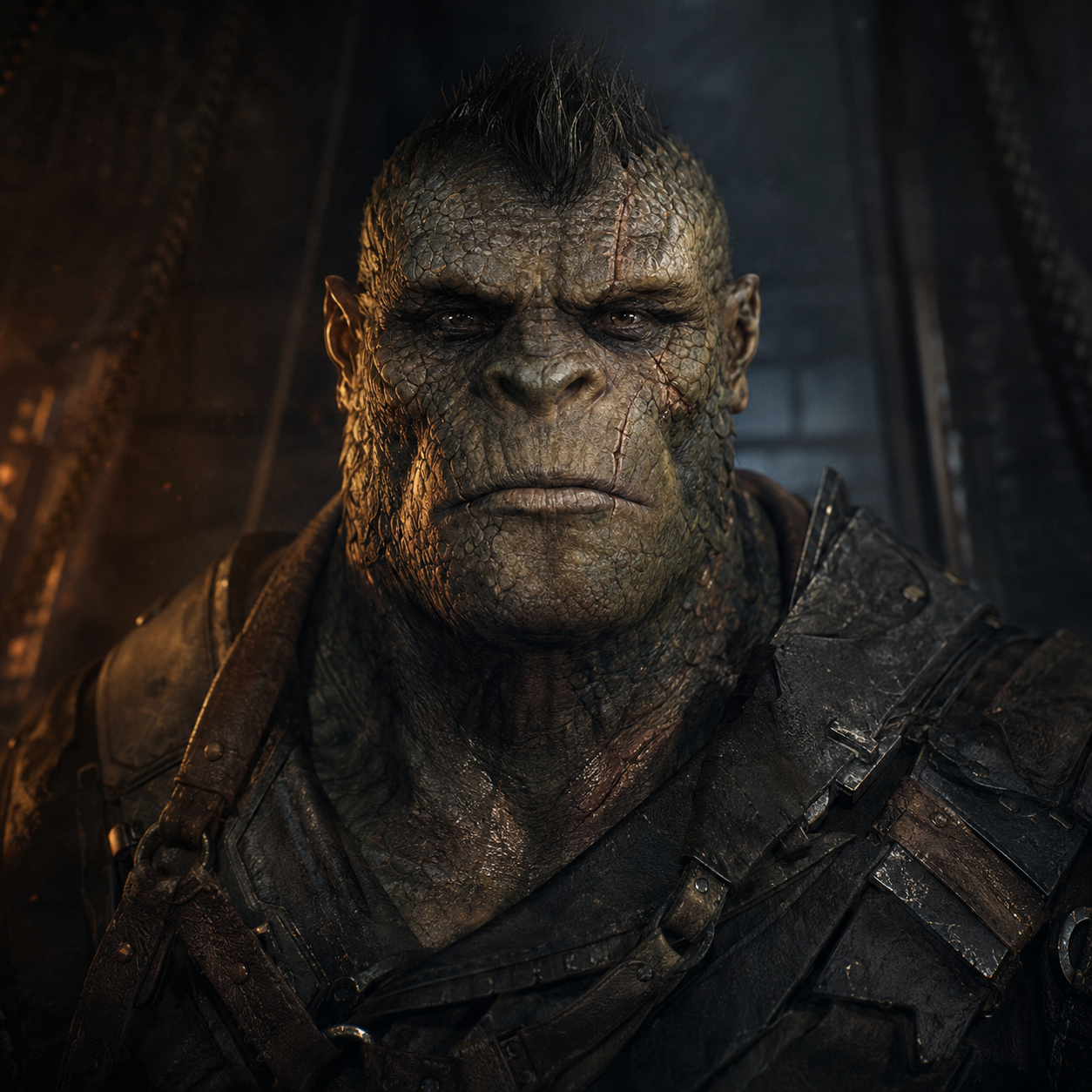
Sundered Captain

Aetheri Drifter

Commanders, patrol fleets, fragile treaties and hard borders.
Archive-readers, revisionists and the truth buried between records.

Warborn clans carrying honour, scars and old enemies into peace.
Lumen-touched walkers who experience moments others never see.
This is a persistent, top-down universe where nothing is handed to you.
In-2 Space is a game in development. Final structure, features, graphics and gameplay may vary.
You start small — a single ship, limited fuel, and a scanner that barely reaches beyond your hull. From there, every move is a decision. Navigation is not instant. Combat is not safe. Information is not guaranteed.
Explore through fog of war, chart routes using navigation points, and push beyond the areas your faction already understands. Each jump carries weight, each action consumes fuel, and every encounter can change your course.
There is no fixed role. Trade between systems. Mine asteroid fields. Hunt players. Run missions. Build infrastructure. Or disappear into deep space and map what no one else has seen.
Everything feeds the same economy. Planets produce resources. Resources fuel ships, weapons, colonies and fleets. Control the supply, and you control the war.
Combat is deliberate. Weapons draw from the same fuel that powers your ship. Scanners are limited. Communications are not always reliable. What you see — and when you see it — matters.
Large ships extend radar to nearby allies, acting as mobile command centres. Smaller ships rely on positioning, speed and timing. Friendly fire is always a choice — and always a risk.
Each faction is shaped by its players. Elect presidents. Appoint generals. Vote in elders. Leadership is not cosmetic — it defines strategy, direction and control.
Construct stations. Capture planets. Dock with carriers. Control key locations. Every structure, route and system feeds a larger strategic layer where preparation matters as much as firepower.
No instant communication. No infinite vision. No guaranteed safety. Just you, your ship, your faction — and the decisions you make.
Multiple ship classes. Different risks. Different roles in the war.
Small, efficient vessels designed for logistics, reconnaissance, and rapid deployment. Mining variants excel at long-range resource extraction with minimal fuel usage when unladen, while runner ships provide fast transport and early warning capability.
Medium-tonnage vessels responsible for sustaining fleet operations and expansion. Freighters enable large-scale cargo movement, while colonisation ships establish settlements, infrastructure, and forward bases.
Combat-focused ships designed to counter fighters and medium threats while shielding capital assets. Improved sensor range and communications allow them to extend battlefield awareness to smaller allied ships.
Heavy artillery vessels built for direct capital engagement. Broadside weapon systems dominate their offensive profile, requiring disciplined positioning to compensate for weak frontal and rear arcs.
Strategic command and force projection hubs capable of transporting and deploying fighter wings through wormholes. Provides in-field refuelling, coordination, and extended operational reach.
No quest arrows. No safe choices. You choose the work, commit the fuel, and live with what comes back.
Haul cargo through unstable routes, dodge pirates, supply colonies, and keep frontier stations alive when the big factions look away.
Combat is deliberate, costly, and tactical. Scanner range, fuel, ship class, friendly fire, and escape routes matter before the first shot is fired.
Mine, trade, explore, escort, command, or govern. Your role is not locked — your reputation is built by what you repeatedly choose to do.
Elect leaders, fund stations, defend wormholes, betray rivals, enforce laws, or turn pirate. The map changes because players make it change.
The known stars are only the beginning.
Beyond the charted lanes, faction borders dissolve into signal noise. Trace the systems of the In-2 Space universe, cross unstable frontiers, and uncover the worlds, routes and anomalies waiting beyond the reach of familiar space.
Every star is a destination. Every route is a decision. Select a region and begin your descent through the galaxy.
It does not attack. It does not bargain. It simply opens the distance between what the galaxy knows and what reality has been hiding.
The laws you know do not apply here.
Every choice leaves a scar.
Even endings can be rewritten.
A grounded sci-fi novel about one Runner, one battered ship, five impossible friendships, and the first silence before the galaxy falls apart.
In-2 Space begins with Mel Haviland, a forty-six-year-old Outland Runner scraping contracts on the edge of human space. She is not a queen, admiral, warlord or chosen hero. She is a working captain with a patched hauler, an old friend keeping the engines alive, and a talent for being exactly where powerful people wish she was not.
Then frontier stations begin to go quiet. No battles. No wreckage. No bodies. Just docking lights still active, ledgers left open, mugs cooling on counters, and entire crews missing as if the universe simply forgot to keep them.
As the factions argue, Mel does what Runners do: she flies the routes, talks to the people no one important is listening to, and builds impossible friendships across species that were never meant to trust each other.
Explore the NovelOutland transmissions are unstable. Keep your message concise. The Conclave will receive it.